River Fever
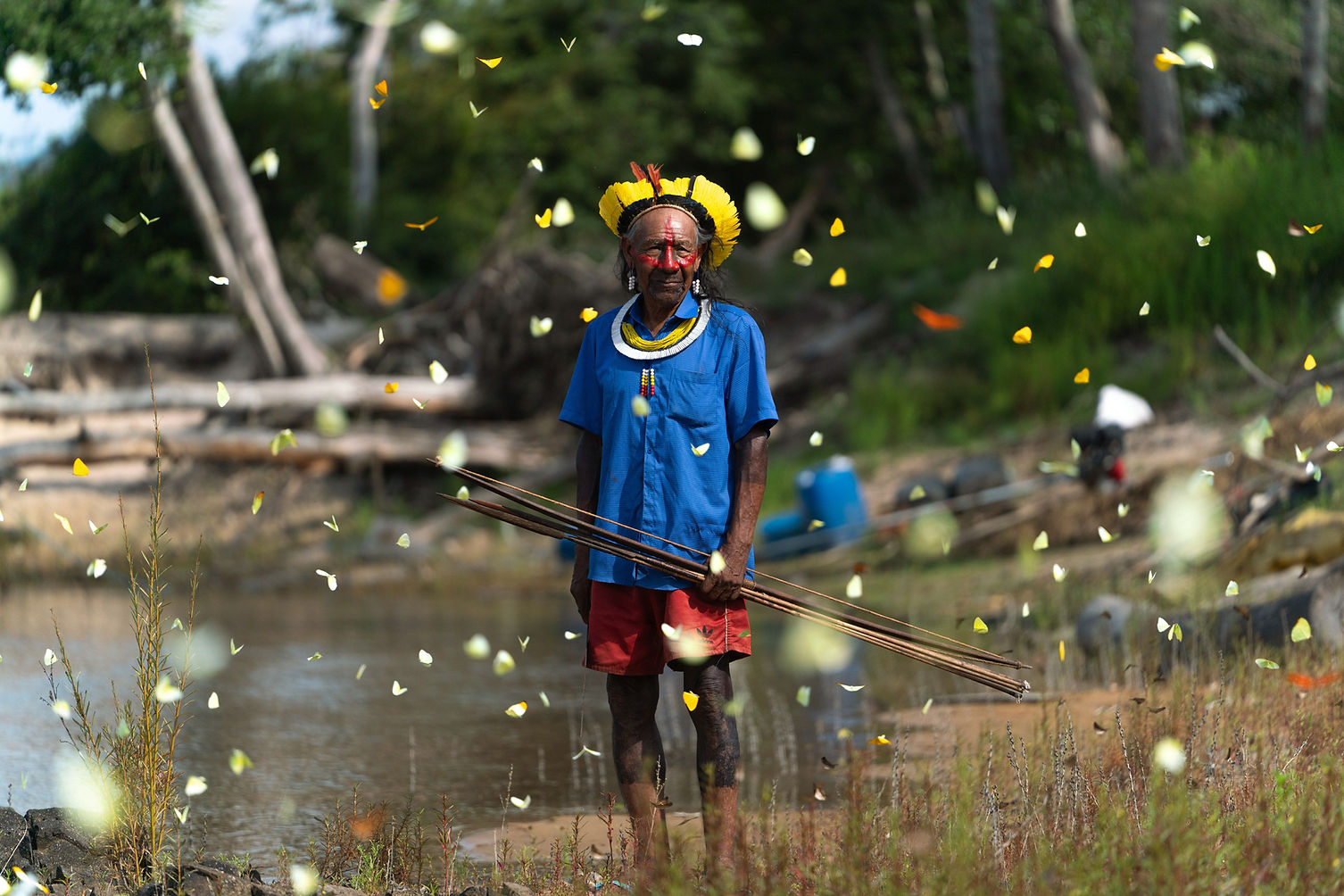
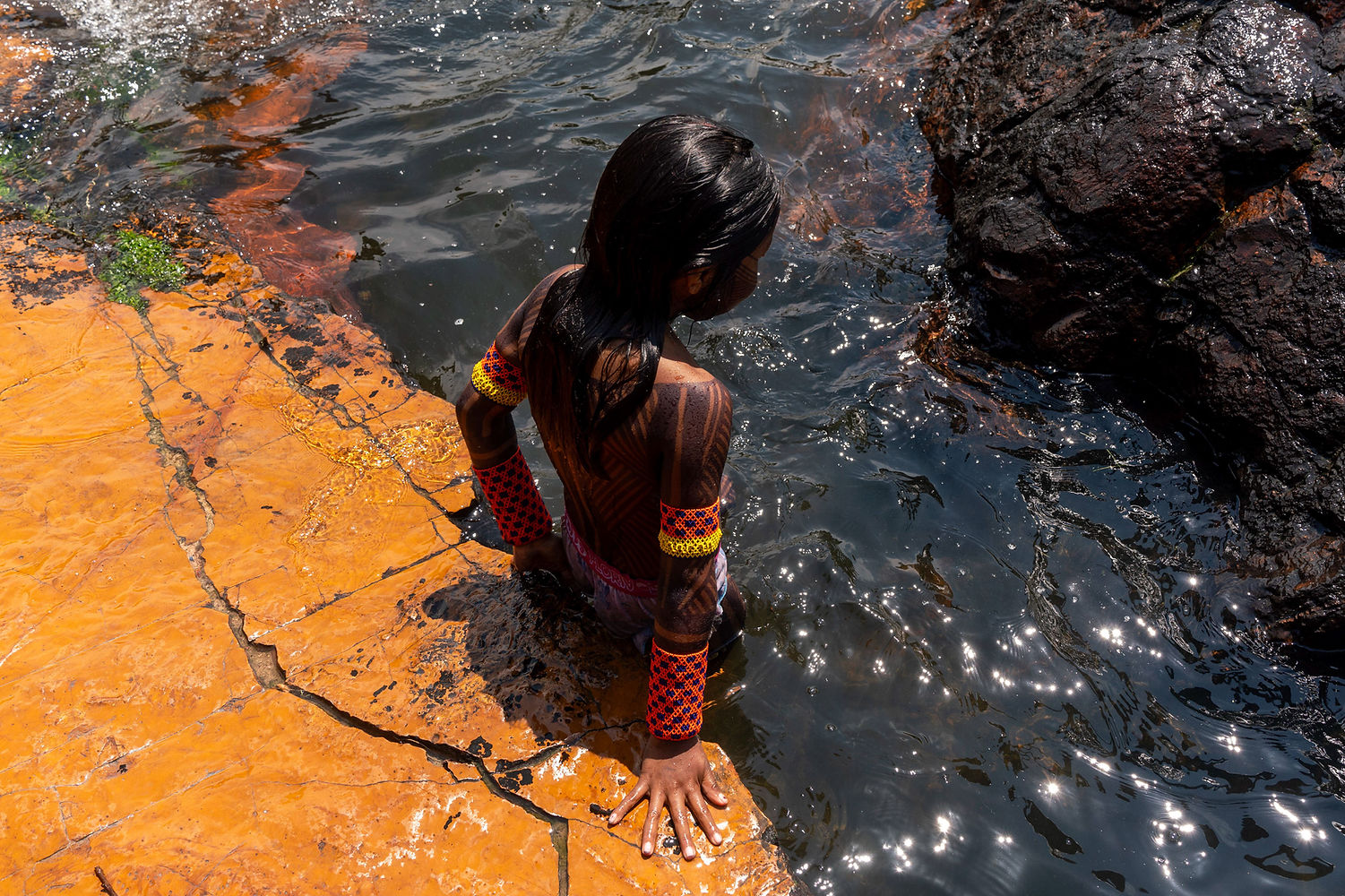
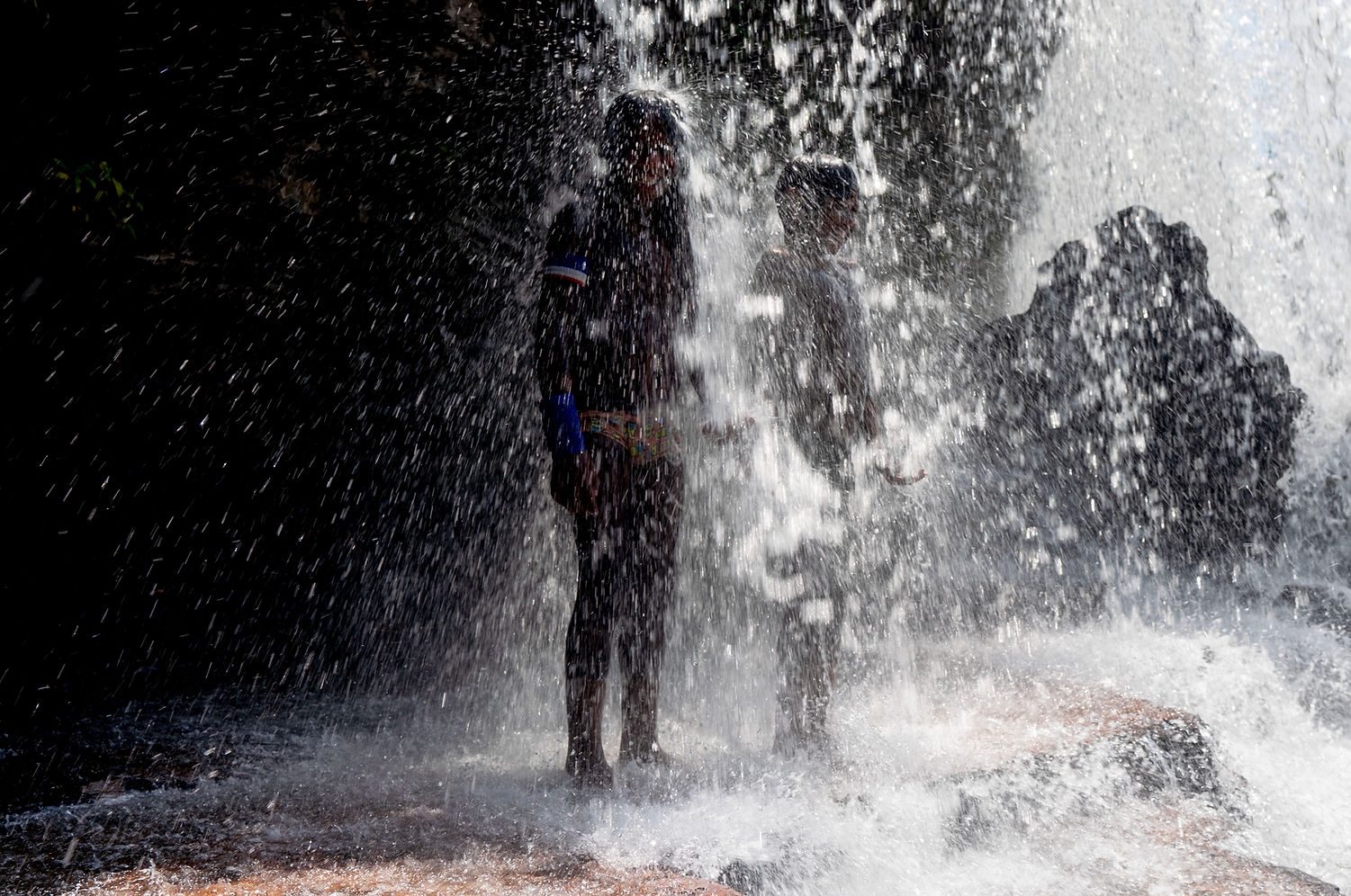
River Fever documents the relationship between water, territory, and Indigenous life in the Xingu River Basin, within the Xingu Indigenous Territory in the Brazilian Amazon. The project focuses on Kayapó communities, for whom the river is not only a source of food and transportation, but a living system that shapes social relations, spirituality, memory, and cultural continuity.
In recent years, this territory has faced increasing pressure from illegal gold mining, which contaminates rivers with mercury, destroys riverbeds, and poses serious risks to Indigenous health. According to data from MapBiomas, by 2023 illegal mining had reached 283,800 hectares across Brazil, with nearly 90% concentrated in the Amazon biome. In the past year alone, 1,643 hectares of forest were cleared to make way for this activity. These impacts are further intensified by the expansion of cattle ranching along the borders of Indigenous lands, accelerating deforestation and weakening the natural protections of the watershed. Together, these extractive forces disrupt ecological cycles and threaten ancestral ways of life.
In response to these threats, Indigenous communities themselves have established territorial surveillance posts, where they control access to the reserve, monitor the movement of boats, and directly confront illegal activities such as gold mining, poaching, and predatory fishing. These community-led control points reflect a defense strategy rooted in ancestral knowledge of the land and Indigenous autonomy.
River Fever highlights the resilience and agency of the Kayapó people as guardians of the forest and defenders of their territory. By centering Indigenous perspectives, the project underscores how environmental destruction in the Amazon is inseparable from human rights violations and the erosion of Indigenous sovereignty. The river thus becomes a witness to these transformations and a measure of the urgency to protect one of the planet’s most vital ecosystems.